Explore Vital Tree Care Methods for Ideal Tree Well-being
Understanding tree care is important for maintaining a healthy environment. Key practices like pruning and mulching are extremely important in enhancing tree health. In addition, proper watering techniques are critical for root establishment. Nonetheless, most people miss the indicators of tree illness and the importance of hiring professionals. Investigating these factors can lead to a deeper appreciation for arboriculture and trees. What measures can be adopted to help their trees grow strong?
Recognizing Why Tree Health Matters
Understanding the importance of tree health is essential, as trees play a significant role in maintaining ecological balance and making urban areas better. Strong trees assist with air quality, give shelter, and support wildlife habitats. Trees also assist in reducing climate change by capturing carbon, proving their necessity for long-term ecological health.
In urban settings, properly cared-for trees look better, increase property values, and promote community well-being. Their presence can reduce city heating in cities, resulting in reduced utility bills.
Neglecting tree health, on the other hand, can lead to illness, pest infestations, and unstable limbs, posing risks to infrastructure and the trees themselves. Consequently, knowing the markers of tree well-being, for example, leaf hue, its development rate, and the tree's outer layer, is critical for successful maintenance. Ultimately, fostering healthy trees benefits not just individual landscapes but also the broader ecosystem, highlighting the necessity for preventative maintenance and care methods.
Crucial Techniques for Cutting Branches
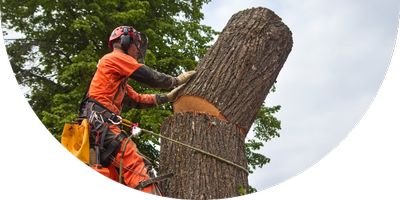
Cutting branches is a vital method in tree care that ensures optimal development and well-being, as it removes dead or diseased branches and boosts ventilation within the canopy. Using the right methods guarantees that trees can thrive in their environment.
A key method is "thinning," which requires careful branch removal to enhance light penetration and lessen the load on fragile branches. 'Tip pruning' is a common approach, where the tips of branches are trimmed to encourage thicker growth, particularly for young trees. In addition, the 'crown reduction' technique lowers the overall height of a tree but keeps its characteristic silhouette.
When to prune is key; cutting during the inactive period minimizes stress and ensures faster recovery. Equipment needs to be clean and honed to avoid damage and infection transfer. Knowing these essential trimming methods is vital for every arborist focused on preserving healthy and visually appealing trees.
Identifying Common Tree Diseases
How can tree owners recognize the signs of common diseases that threaten their trees? Knowing the particular signs is essential for early detection and action. Common indicators include discolored or wilting leaves, possibly indicating a fungus or a lack of necessary nutrients. Strange developments, such as galls or cankers, often point to pests or pathogens that weaken the tree. Additionally, sap running out or bark flaking off might suggest an infection that need prompt care.
Arborists should look for changes in tree structure, including leaf drop or branch dieback, suggesting a deeper, more serious issue. Looking out for insect attacks, such as holes in the bark or frass, is necessary too. By staying watchful and taking action, owners are able to spot these frequent ailments and get the right solutions, to keep their trees healthy and vigorous all year long.
Mulching's Importance for Tree Health
Applying mulch is a vital method in tree care, offering numerous benefits that foster robust growth and resilience. It involves applying a layer of inorganic or organic matter surrounding the trunk, aiding in moisture retention, suppress weeds, and stabilizing soil warmth. This protective barrier not only reduces competition from invasive plants but also boosts the details visual appeal of the yard.
Furthermore, organic mulches, for example, bark or chips, decompose over time, enriching the soil with crucial nutrients and improving its structure. This natural breakdown helps roots establish and creates a more robust setting for the plant. Furthermore, applying mulch helps stop soil erosion, thereby stabilizing of the tree’s root system. When applied correctly mulch should be spread in a circular pattern, making sure it doesn't touch with the trunk to avoid rotting. Overall, making mulching a part into tree care routines considerably contributes to the long-term health of trees.
Proper Watering Practices for Trees
Quality tree upkeep needs not only mulching but also appropriate watering techniques to promote the best growth and health. Trees, particularly newly planted ones, demand regular water to develop robust root structures. Deep watering is essential, as it encourages roots to grow downwards where moisture is more stable. Ideally, trees ought to get approximately an inch of water per week, whether through rainfall or supplemental irrigation.
It is best to water early in the morning to reduce evaporation and the risk of fungus. It is important to avoid overwatering, which can lead to root rot and further problems. Check the ground for moisture before watering; if the top two inches are dry, then watering is necessary. Furthermore, utilizing drip irrigation or drip irrigation delivers a gradual, continuous stream of water, guaranteeing trees are sufficiently hydrated without the risk of runoff. Effective hydration techniques greatly contribute to the general well-being of trees.
Hiring Professional Tree Services: Reasons and Necessity
In evaluating the health and aesthetics of a property, engaging expert tree care can be crucial for homeowners with complicated tree maintenance requirements. Expert tree specialists have the expertise to assess tree health, identify diseases, and implement effective treatments. Professionals are familiar with local regulations concerning tree removal and maintenance, ensuring adherence and sidestepping fines
(Stillwater Tree Service)It is wise for homeowners to engage professionals when dealing with large trees, specifically trees near homes or power lines, as mishandling creates safety hazards. Furthermore, trees requiring pruning for looks or well-being profit from the expertise of trained specialists who can make accurate cuts to encourage development
Routine seasonal work, such as pre-storm readiness and post-storm tidying, also warrant professional intervention to keep the property safe and appearance. Ultimately, using expert tree care providers makes certain trees get the best attention, which benefits greatly the entire outdoor space and real estate worth
Frequently Asked Questions
What Are the Signs if My Tree Is Receiving Too Much Water?
Symptoms of excessive watering are chlorotic leaves, drooping even when the ground is wet, root rot, and significant defoliation. In addition, the appearance of mushrooms at the tree's base often suggests slow soil percolation and saturated soil.
When Should I Schedule for Tree Pruning?
The optimal period to prune trees is generally in the cold months before spring prior to bud break - Stillwater Tree Service. Scheduling the work then supports robust regeneration and lessens the impact on the plant, facilitating quick recovery and maturation
Is It Possible for Trees to Survive Major Storm Damage?

Absolutely, trees are capable of recovering from major storm damage. With proper care, like trimming broken branches and providing adequate water and nutrients, a lot of trees can become healthy again and flourish once more after experiencing significant stress.
What Should I Look For When Choosing the Right Mulch for My Trees?
In order to pick the best mulch, one should consider organic materials like wood chips or bark, guarantee proper depth of 2-4 inches, and never stack mulch against the base to prevent disease.
Are Some Trees Higher Maintenance Than Others?
Some species, such as fruit trees and newly planted specimens, demand more care due to their sensitivity to environmental changes and specialized fertilization demands. Frequent checking and specific upkeep methods are vital for their condition and flourishing.